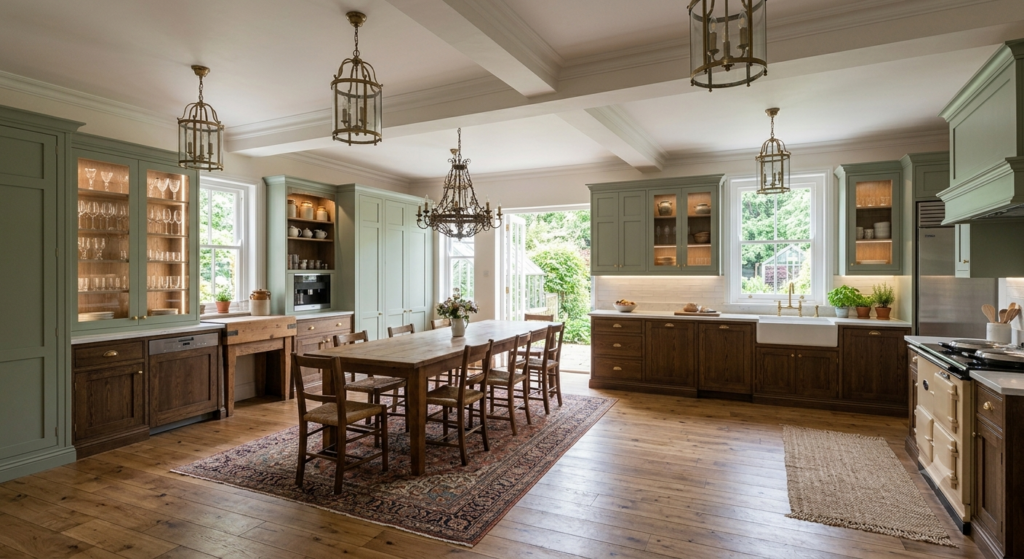
Wine country kitchens carry a certain expectation: open shelving for glassware, a prep island built for entertaining, cabinetry that looks intentional rather than assembled from a catalog. That expectation runs into a practical question fast, though, which is how homeowners actually pay for it. Before choosing finishes or hardware, most people researching custom cabinets end up sorting through financing options first.
How Homeowners Are Actually Paying for Cabinet Projects
According to the 2025 Houzz and Home Study, homeowners fund remodeling projects through a mix of sources rather than a single payment method. Cash from savings leads by a wide margin, but it’s rarely the only piece of the puzzle.
| Funding Source | Share of Homeowners Using It |
|---|---|
| Cash from savings | 84% |
| Credit cards | 29% |
| Secured home loans (HELOC, etc.) | 12% |
| Cash from a home sale | 10% |
| Gifts or inheritances | 5% |
| Insurance payouts | 5% |
These figures add up to more than 100% because most projects draw from at least two sources. A homeowner near Prosser’s wine district, for example, might combine savings with a HELOC to cover both cabinetry and a matching wet bar buildout in the same phase.
Why Financing Decisions Should Follow, Not Lead, the Scope
Locking in a loan amount before finalizing cabinet specs is a common budgeting mistake. Scope tends to expand once demolition starts, particularly in older homes around Benton City and Mabton where original cabinetry sometimes hides plumbing or wiring quirks that only surface mid-project.
A more reliable sequence looks like this:
- Get a firm cabinet quote based on measured dimensions, not a rough estimate
- Add a 10–15% contingency for unexpected repairs behind the old cabinets
- Compare financing costs (interest rates, terms) against the finalized number
- Confirm the payment schedule matches the production and installation timeline
What Kitchens in This Area Tend to Need
Homes in and around Prosser often were built with entertaining space as a secondary consideration, not a primary design driver, since the wine industry’s growth in the region accelerated well after most housing stock went up. That means many kitchens now get retrofitted with features that weren’t part of the original build:
- Wine storage integrated into lower cabinets or a dedicated column
- Extended islands with seating for casual entertaining
- Beverage centers separate from the main refrigerator
- Open shelving mixed with closed storage for a curated look
Vanity Cabinets Deserve Equal Attention
Kitchen cabinetry gets most of the attention, but bathroom vanities follow similar construction principles and face similar decisions. Moisture exposure is higher in a bathroom than a kitchen, which makes water-resistant finishes and quality drawer slides worth prioritizing even on a modest vanity project.
Cost Expectations Specific to This Region
Nationally, a minor kitchen remodel averages $28,458 and returns 112.9% at resale, according to the 2025 Zonda Cost vs. Value Report, the strongest ROI of any interior project tracked. Cabinets alone typically consume 29% to 40% of that budget. For households weighing a full custom build against a semi-custom line, the difference often comes down to how much of that 29–40% they’re willing to allocate versus redirect toward countertops or appliances.
Frequently Asked Questions
Is it common to combine multiple financing sources for one project?
Yes. Data from the 2025 Houzz and Home Study shows most homeowners blend savings with at least one other source, such as a credit card or secured loan.
Should a loan be secured before or after getting a cabinet quote?
After. Locking in financing before a firm quote often leads to either overborrowing or a budget shortfall once the full scope is known.
Do bathroom vanities cost as much per linear foot as kitchen cabinets?
Pricing is often comparable per linear foot, though total vanity projects cost less overall simply due to smaller scale.
What’s a reasonable contingency to budget for unexpected repairs?
Most contractors recommend 10% to 15% above the base quote, particularly in homes with original cabinetry over 30 years old.
Final Thoughts
Getting cabinet financing right starts with a firm, measured quote rather than a rough budget guess, since scope and cost both tend to shift once a project is underway. Homeowners in Prosser, Benton City, and Mabton planning a kitchen or vanity update can request a detailed, itemized estimate before comparing financing options.